- suniljose1971@gmail.com
- Mon - Sat: 2.00 PM - 8:00 PM
- (Registered S.NO. COOP/2019/AJMER/101568)




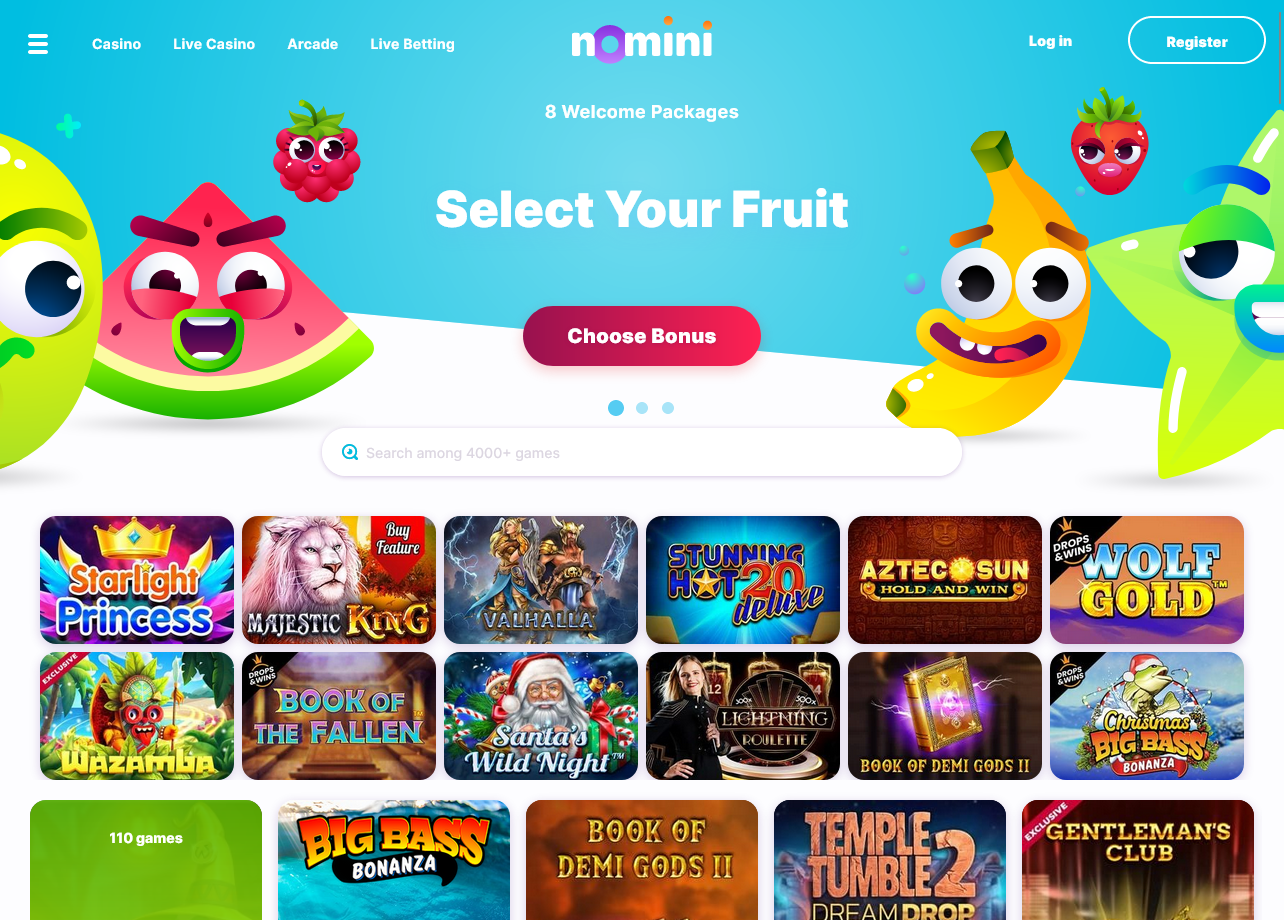
When I first use a casino platform such as Nomini Casino player account, the login screen is not just a formality; it represents a meticulously designed gateway that harmonizes convenience, identity verification, and account security. I closely examine the options available because each one reflects a different trade-off between ease of access and the strength of protection it provides. In a typical UK-facing casino, I will typically see everything from a classic email and password combination to more advanced methods like biometric scanning and two-factor authentication. The login system must also work in harmony with the site’s registration and verification processes, guaranteeing that I am who I claim to be before I may deposit, play, or cash out winnings. When I describe these systems, I stress that the choice of login option is not arbitrary; it is determined by regulatory requirements, data protection standards, and the usability expectations of modern players. Understanding how each option works helps me choose wisely about my own account safety and minimizes the hassle I might feel when interacting with the platform.
Every time I analyse a casino login page, I remind myself that its principal function is to function as a digital identity checkpoint. The system needs to confirm that the person seeking to gain access is the legitimate account holder, and it needs to do so without introducing unnecessary friction that could drive players away. From a technical perspective, the login interface serves as a front-end layer that communicates with an authentication server. That server checks the credentials I supply against a securely stored record, but it never keeps my plain-text password. Instead, the platform uses a cryptographic hash of my password, often combined with a unique salt value, so that even if the database were compromised, my actual password would continue to be unreadable. This hashing process is hidden to me, but it is a essential part of the trust I place in any casino functioning under UK regulations. Beyond validating credentials, the login system also initiates a session that is maintained through secure tokens, permitting me to explore the lobby, put bets, and handle my funds without having to re-authenticate for every action. The session tokens are time-limited and encrypted, which means that even if someone hijacks my network traffic, they cannot seize my session easily. I also recognize that the system records login attempts and can activate temporary lockouts after a set number of failures, a feature designed to block brute-force attacks. All of these hidden layers operate together to secure my account while enabling me to focus on the games rather than on security concerns.
I have noticed that casino platforms are more and more supporting biometric login, particularly on mobile devices where fingerprint scanners and facial recognition hardware are now standard. In this model, I do not directly authenticate with the casino server using my fingerprint; instead, the casino app links with the device’s built-in biometric system. When I try to log in, the app asks for a biometric check, and the operating system validates my identity locally. If the check passes, the device provides a stored authentication token to the app, which then interacts with the casino server. This signifies my biometric data not at all leaves my phone, and the casino at no time has access to my fingerprint or face map. From my viewpoint, the experience is effortless: I place my thumb on the sensor or glance at the camera, and the app launches directly to my account. The security of this method depends heavily on the integrity of the device’s biometric subsystem, which is built to be resistant to spoofing using photographs or lifted fingerprints. I consider biometric login highly convenient for everyday use, but I also recognize its limitations. For example, if I am in a situation where my face is obscured or my fingers are wet, the sensor may fail, and I need a fallback method such as a PIN or password. Biometric login is therefore best seen as a complement to, rather than a complete replacement for, other authentication factors.
I have seen that many UK casinos, including Nomini Casino, present the option to link a mobile phone number to the account and utilize it as part of the login process. This strategy typically entails sending a one-time verification code via SMS that I must submit alongside or in place of a password. The fundamental principle is that access necessitates something I know, such as a password, and something I have, which in this case is my mobile phone. When I log in, the system creates a short numeric code that is valid for only a few minutes and sends it to the number I registered. I then type that code into the login form, and the server validates it against the code it generated and stored temporarily. This method provides a layer of security because an attacker would need both my password and physical possession of my SIM card to gain entry. However, I remain aware of the vulnerabilities associated with SMS, particularly SIM swapping attacks where a fraudster persuades my mobile carrier to transfer my number to a new SIM card. While this risk is relatively low for the average player, I still consider it when evaluating the overall security posture. On the convenience side, SMS-based login can be faster than remembering a complex password, and it acts as a useful fallback if I am unable to access my email. I also appreciate that the casino will often use the same phone number for important account notifications, such as withdrawal confirmations, which creates a unified communication channel.
As I opt to enable SMS login on a casino account, I adhere to a few useful steps to ensure the setup is as secure as feasible. Initially, I confirm that the phone number I provide is one I own exclusively and that my mobile account is safeguarded with a robust PIN or password that only I possess. I also enable any supplementary security features my carrier supplies, such as port freeze or SIM lock, which cause it harder for someone to transfer my number without my clear consent. During the linking process, the casino delivers a verification code to my phone, and I type it on the site to confirm that the number is active and in my ownership. When the number is linked, I can commonly select whether to employ SMS as a main login method or as a additional factor next to a password. I prefer the last model because it merges two separate factors. I also take a mental note that SMS codes are not encrypted end-to-end from the server to my handset; they travel through the mobile network’s signalling system, which has its own security protocols but is not immune to interception in highly targeted attacks. For most casual gaming scenarios, this extent of protection is adequate, and the convenience of getting a code on the device I already have with me makes SMS authentication an attractive middle ground between straightforwardness and security.
Despite the growing popularity of alternative login methods, the email and password combination remains the bedrock of casino account access. When I create an account at Nomini Casino, I provide a valid email address that becomes my primary identifier, and I select a password that must meet certain complexity requirements. The login process itself is uncomplicated: I enter my email and password, the system encrypts the password and checks it against the stored hash, and if they match, I am granted access. What I find important to understand is that the security of this method hinges largely on how I manage my credentials. If I employ a password that has been exposed in a data breach elsewhere, my casino account becomes at risk irrespective of the platform’s own security measures. This is why I always stress the importance of unique, long passphrases that include a mix of character types. The casino typically enforces minimum length and complexity rules, but the ultimate responsibility rests with me. I also observe that the login form is almost always protected by TLS encryption, which ensures that my email and password are transmitted over a secure channel and cannot be intercepted in transit. Even so, the email and password model has a single point of failure: if someone acquires my password through phishing or malware, they can impersonate me completely. This limitation is precisely why the industry has been moving toward supplementary authentication factors, but I still regard the classic combination a reliable starting point when used with proper password hygiene.
When I evaluate the strength of my casino password, I look beyond the bare minimum requirements. A password that is simply eight characters long with one uppercase letter and one digit may satisfy the platform’s rules, but it can still be compromised in minutes using modern hardware if the database hash is ever leaked. I therefore select passphrases that are easy for me to remember but impossibly difficult for an attacker to guess. I also refrain from using personal information such as my name, date of birth, or favourite football team, as these details are often publicly available or easily guessed. Many casinos now include password strength meters that give me real-time feedback during registration, and I consider those meters as a helpful guide rather than a definitive verdict. In addition to creating a strong password, I practice good account hygiene by never sharing my credentials and by changing my password promptly if I suspect any unusual activity. The platform may also prompt me to update my password periodically, but I feel that forced rotation without evidence of compromise can sometimes lead to weaker passwords if I become frustrated. Instead, I focus on using a password manager to generate and store unique credentials for each casino I join. This approach liberates me from the mental burden of remembering dozens of complex passwords while maintaining a high security baseline.
Even the most careful player can forget a password, and I consider the recovery process a critical part of the login experience. When I tap the “Forgot Password” link on a casino site, the system typically sends a password reset link to the email address linked to my account. I then have a limited window, commonly between ten and thirty minutes, to select that link and set a new password. This time limit is a security feature that stops old reset links from being used if they are found later. The reset link itself is a single-use token, meaning that once I use it, it becomes invalid. I appreciate that the platform does not reveal whether an email address is registered in its system, as this approach blocks attackers from enumerating valid accounts. The email I receive should invariably originate from the official domain, and I verify the sender address carefully to avoid phishing scams that simulate legitimate casino communications. After I set a new password, the system often demands me to log in with the fresh credentials, and some platforms will also prompt me to re-verify my identity if I have not accessed the account for an extended period. This entire flow is designed to balance self-service convenience with the need to stop unauthorised password changes, and I find that a well-designed recovery mechanism substantially reduces the frustration of being locked out.
When I want to add a considerable barrier against unauthorized access, I rely on two-factor authentication, commonly abbreviated as 2FA. This mechanism necessitates me to provide a second piece of evidence after my password, typically a time-based one-time password generated by an authenticator app such as Google Authenticator or Authy. The process functions by sharing a secret key between the casino server and my authenticator app during the initial setup. Both sides then employ this key, along with the current time, to generate a six-digit code that changes every thirty seconds. When I log in, I type my password first, and then I am asked for the current code from my app. The server independently calculates the expected code and compares it with my entry. Because the codes are time-synchronised and never transmitted over the network in a predictable way, they are exceptionally difficult for an attacker to intercept or replicate, unlike SMS codes that travel through the mobile network. I discover that authenticator-based 2FA offers a strong balance of security and usability, and I recommend it to anyone who views their casino account protection seriously. Some platforms also present the option to receive codes via email, but I regard this less secure because email accounts can be compromised using the same password that an attacker might already have. Ultimately, the presence of 2FA transforms the login process from a single-guard checkpoint into a layered defence that significantly lessens the risk of account takeover.
When I activate 2FA, I am always given a set of backup codes that I can employ if I lose access to my authenticator app or phone. These codes are typically eight to ten digits long and are meant for single use. I save them in a safe place, such as a password manager or a printed copy kept in a safe place, because they are my safety net if my primary second factor becomes unavailable. The casino system considers each backup code as a valid second factor, but once a code is used, it is instantly invalidated. I also notice that many platforms will notify me via email whenever a backup code is used, which gives me an advance notice if someone else is attempting to bypass my 2FA. In addition to backup codes, some casinos allow me to designate a trusted device, such as my personal laptop, as a semi-permanent second factor. This implies that after a successful 2FA login, the device is recognised and I can bypass the additional step for a set period. While this lessens friction, I only turn on it on devices that I own and that are protected by their own passwords or biometric locks. Should I ever believe that my backup codes have been compromised, I can reissue them from the security settings of my casino account, instantly invalidating the old set. This revocability is a key feature that assists me keep control over my account even when unexpected events happen.
An progressively common login method I encounter on contemporary casino sites is the capability to sign in using an current social media or platform account, such as Google, Facebook, or Apple. This strategy, known as single sign-on, enables me to bypass the creation of a distinct casino-specific password completely. When I click the “Sign in with Google” button, for example, I am sent to a Google authentication page where I approve the login request. Google then transmits a token back to the casino, verifying that I have properly authenticated without ever sharing my Google password with the casino. This token contains fundamental profile information that the casino utilizes to set up or associate my account. From a security perspective, I benefit from the strong authentication system of the social provider, which commonly features advanced threat detection, machine learning-based anomaly detection, and the possibility to use hardware security keys. The casino, in return, minimizes its own obligation by not storing a password hash for my account. Nevertheless, I must be aware that this forms a dependency on the social platform. If my Google account is hacked, an attacker could possibly enter my casino account as well. I therefore handle the security of my linked social account with the identical level of care I would apply to a standalone casino password. I also review the privacy permissions I provide during the initial login, guaranteeing that the casino only obtains the least information required to establish my profile.
Even after I successfully authenticate, the login process on a regulated UK casino platform often triggers additional verification steps that are tied to licensing and anti-money laundering requirements. I might be prompted to complete a Know Your Customer check before I can deposit or withdraw, and this can involve uploading a photo ID, a recent utility bill, and sometimes a selfie for identity verification. While these checks are more frequently associated with the registration phase, I have seen them integrated into the login flow when a previously verified account flags a risk indicator, such as a change in device or location. The system uses geolocation data, device fingerprinting, and behavioural analysis to establish whether my login attempt fits my established pattern. If I suddenly log in from a different country or use an unrecognised browser, the platform may temporarily limit account functions and prompt me to re-verify my identity. This might feel intrusive, but I understand that it is a safeguard designed to protect both my funds and the casino’s compliance obligations. The verification process is typically automated and can be completed within minutes if I have my documents ready. Once verified, the system updates my account status and allows full access. I also receive notifications about any unusual login activity, which gives me the ability to react quickly if I suspect unauthorised access. These layered checks, while sometimes inconvenient, demonstrate the seriousness with which reputable casinos treat security and regulatory compliance.
Behind the scenes, the login system continuously tracks patterns that suggest credential stuffing, brute-force attacks, or account sharing. I may not see these mechanisms directly, but they are crucial to preserving the integrity of my account. If the system identifies a rapid sequence of failed login attempts from a single IP address, it will typically apply a temporary lockout that lasts for several minutes. This delay is meant to slow down automated attacks to the point where they become unfeasible. In more severe cases, such as a large number of attempts from a geographically distributed set of IPs, the platform may lock the account entirely and require me to contact customer support and provide additional proof of identity. I also take advantage of device fingerprinting, which creates a unique identifier based on my browser characteristics, installed fonts, and screen resolution. If a login request comes from a device that does not match the fingerprints I have used before, the system can mark it for step-up authentication. Some casinos even issue me an email or push notification asking me to confirm the login attempt. I find this level of monitoring comforting because it means that even if my password were compromised, the attacker would face multiple additional hurdles before gaining access. All of these defensive layers work together to create a login environment that is both strong and responsive to emerging threats.
I have explored the full spectrum of casino login options, from the time-tested email and password model through the advanced convenience of biometric authentication. Each method holds its own security profile, and I note that the optimal approach is to combine several layers rather than relying on a single barrier. A strong, unique password builds the foundation, while phone-based verification, authenticator apps, and biometric locks https://forums.redflagdeals.com/cancel-vehicle-agreement-no-deposit-left-1699473/ provide resilience against targeted attacks. Behind the visible options, session management, encryption, and continuous monitoring silently protect my account without requiring my active participation. I understand that the login experience is not just about submitting credentials; it is a carefully orchestrated sequence of checks that verifies my identity and preserves the trust that underpins my relationship with the platform. By comprehending how these mechanisms work and picking the combination that matches my risk tolerance, I can savor my time at the casino knowing that my account is well defended. The login page is the initial line of defence, and spending a few moments to set it up properly is one of the greatest investments I can undertake in my online safety.
Leave a Reply